


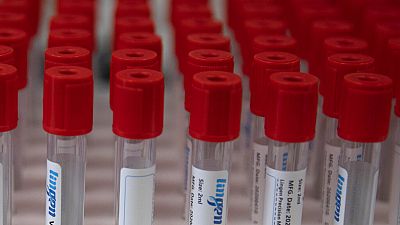

HIV
Scientists claim to have eradicated HIV from infected cells using Crispr gene-editing technology, which won the Nobel Prize.
Crispr acts like molecular scissors, cutting DNA to remove or deactivate harmful sections.
The goal is to completely eliminate the virus from the body, but more research is necessary to ensure safety and effectiveness.
Current HIV treatments can suppress the virus but not eliminate it.
Presenting their initial findings at a medical conference, the University of Amsterdam team emphasizes that their work is still in the early stages and not a cure for HIV yet.
Dr. James Dixon from the University of Nottingham agrees, stating that further investigation is required.
Efforts are ongoing by other scientists and Excision BioTherapeutics, with three HIV patients showing no major side effects after 48 weeks.
However, experts like Dr. Jonathan Stoye from the Francis Crick Institute warn about the challenge of removing HIV from all potentially infected cells and the risk of long-term side effects.
Effective treatment can suppress HIV, but some infected cells remain dormant, posing a risk if treatment is stopped.
While rare cases have shown apparent cures after aggressive cancer therapy, this approach isn't advisable solely for HIV treatment.







Go to video
Senegalese actress Halima Gadji dies in France
Go to video
Streamer IShowSpeed calls Ghana “Home” on Africa tour
Go to video
Egypt to restrict children’s social media use
Go to video
South African court clears sale of Nelson Mandela artefacts
01:00
Fifa pass launches to help fans travel to US for 2026 World Cup
Go to video
TikTok finalizes a deal to form a new American entity